

Your cart is empty
Tax included and shipping calculated at checkout
Drawer menu
Tax included and shipping calculated at checkout
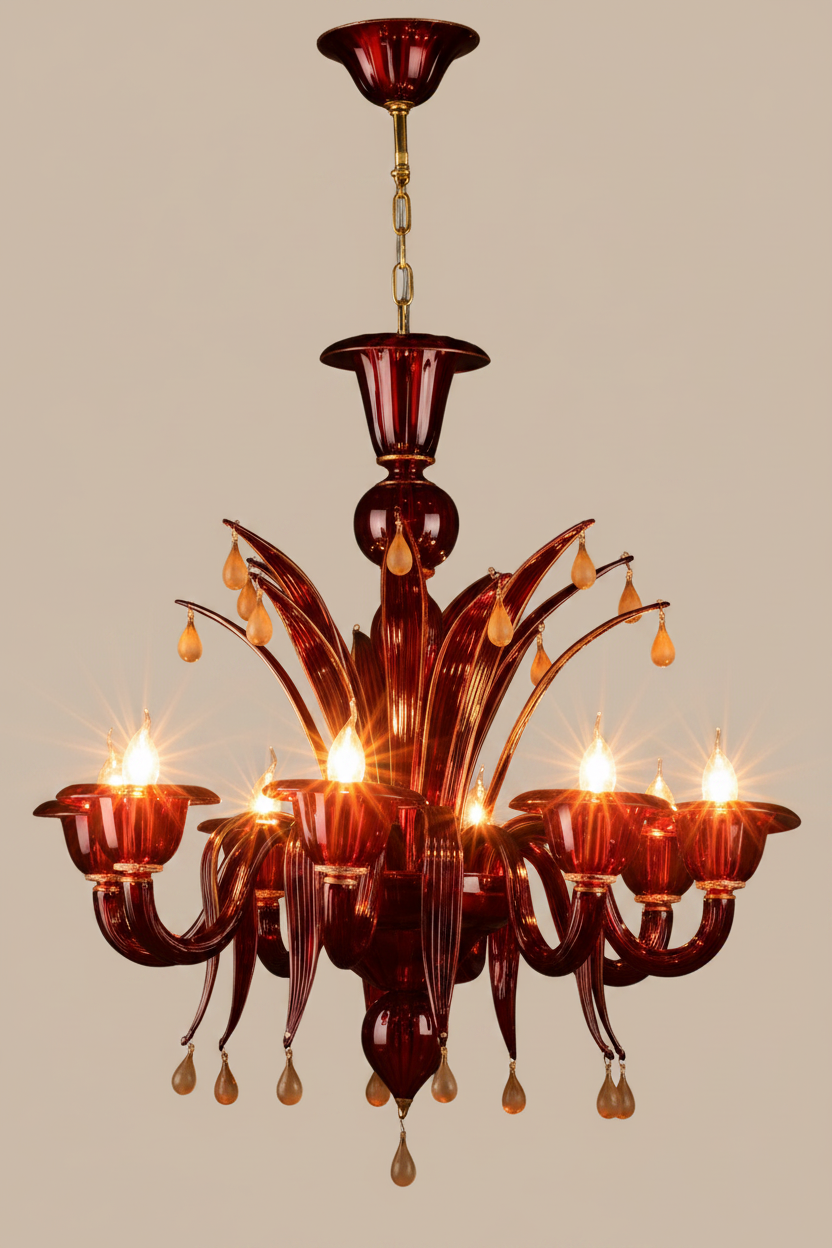
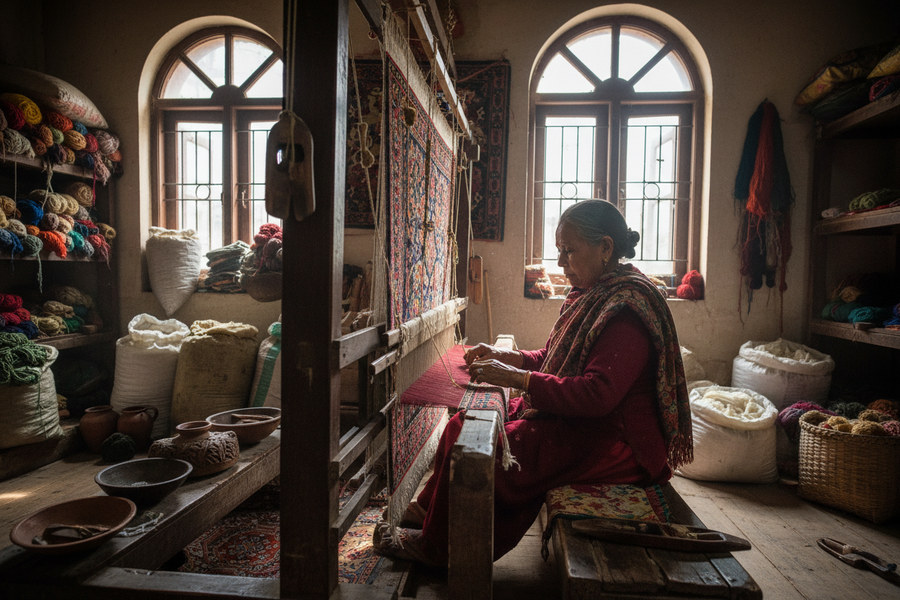
Discover why the world's finest interior designers specify hand-knotted rugs of natural fiber: wool, silk, cashmere, alpaca. As the ultimate Eclusive and Luxury investment for exceptional interiors.

For discerning collectors, interior architects, and those who understand that true luxury is measured not in seasons, but in centuries.

In the penthouses of Miami and the estates of the Hamptons, the most knowledgeable interior designers share a quiet conviction: no single object transforms a space with more authority than a hand-knotted rug of exceptional natural fiber. Not furniture, not art, not objects. The rug.
This is civilizational knowledge, the accumulated wisdom of master weavers in Persia, Kashmir, and the highlands of Tibet, distilled into an object that grows more beautiful, more valuable, and more irreplaceable with every passing decade.
The irreplaceable quality of the finest hand-knotted rugs begins at the source: the raw material. Synthetic fibers can approximate the appearance of natural wool or silk for perhaps a decade. Then they begin to degrade: fading unevenly, pilling, losing the reflective lanolin-based luster that gives natural wool its depth.
A rug woven from hand-spun New Zealand wool or hand-carded Himalayan sheep's fleece does not degrade. It evolves.
Wool: Himalayan & Tibetan Wool High-altitude cold produces fibers of exceptional length and lanolin content. Resilient, naturally soil-resistant, and lustrous across generations.
Silk: Persian & Chinese Silk The finest pile material known. Refracts light in ways that shift with viewing angle, creating compositions that appear to move. Incomparable density possible.
Alpaca Sourced from the high Andes, alpaca fiber is among the softest and warmest natural materials available. Naturally hypoallergenic, free of lanolin, and extraordinarily fine; it produces a pile of exceptional softness and a quiet, matte luminosity that wool cannot replicate.
Cashmere The rarest of the animal fibers used in weaving. Combed from the undercoat of Himalayan goats, cashmere pile achieves a tactile richness that is immediately recognizable to the touch. Used in the most exclusive contemporary productions, it elevates any design into the realm of pure sensory luxury, exclusivity and uniqueness.
Bamboo Silk (sustainability) A plant-derived fiber of growing prestige in the finest ateliers. Bamboo silk offers a sheen comparable to traditional silk but with a cooler hand and a more diffuse light reflection, ideal for interiors seeking luminosity without the directional intensity of animal silk. Sustainably sourced and increasingly favored by the environmentally conscious exclusive client.
Cotton: Hand-Spun Foundation Used for structural warp and weft in the finest pieces. Cotton warps hold tension with geometric precision, the invisible architecture of perfection.
Wool, when properly sourced from high-altitude sheep whose fleece has grown slowly in harsh mountain climates, contains natural lanolin that repels moisture and soil, resists compression, and maintains its dye-hold for extraordinary periods. The mordant-and-vegetable-dye combinations used by traditional workshops, pomegranate rind, indigo, madder root, saffron; bond with natural fiber at the molecular level in ways that synthetic dyes fundamentally cannot replicate.
These colors do not fade.
They patinate. They acquire the honeylike depth that collectors call abrash: the subtle, intentional variation in tone that marks a hand-dyed piece and becomes more beautiful with age.
Antique Persians, Nepali and Indian, some three or four centuries old, are not museum curiosities.
They are living objects in active use in the finest homes worldwide.
A machine-made rug shows decades of use as degradation.
The hand-knotted natural fiber rug shows it as character.
The American collector who understands this is not purchasing floor covering. They are acquiring an object whose value proposition is identical to that of a blue-chip painting: it will not depreciate with use. It may well appreciate.
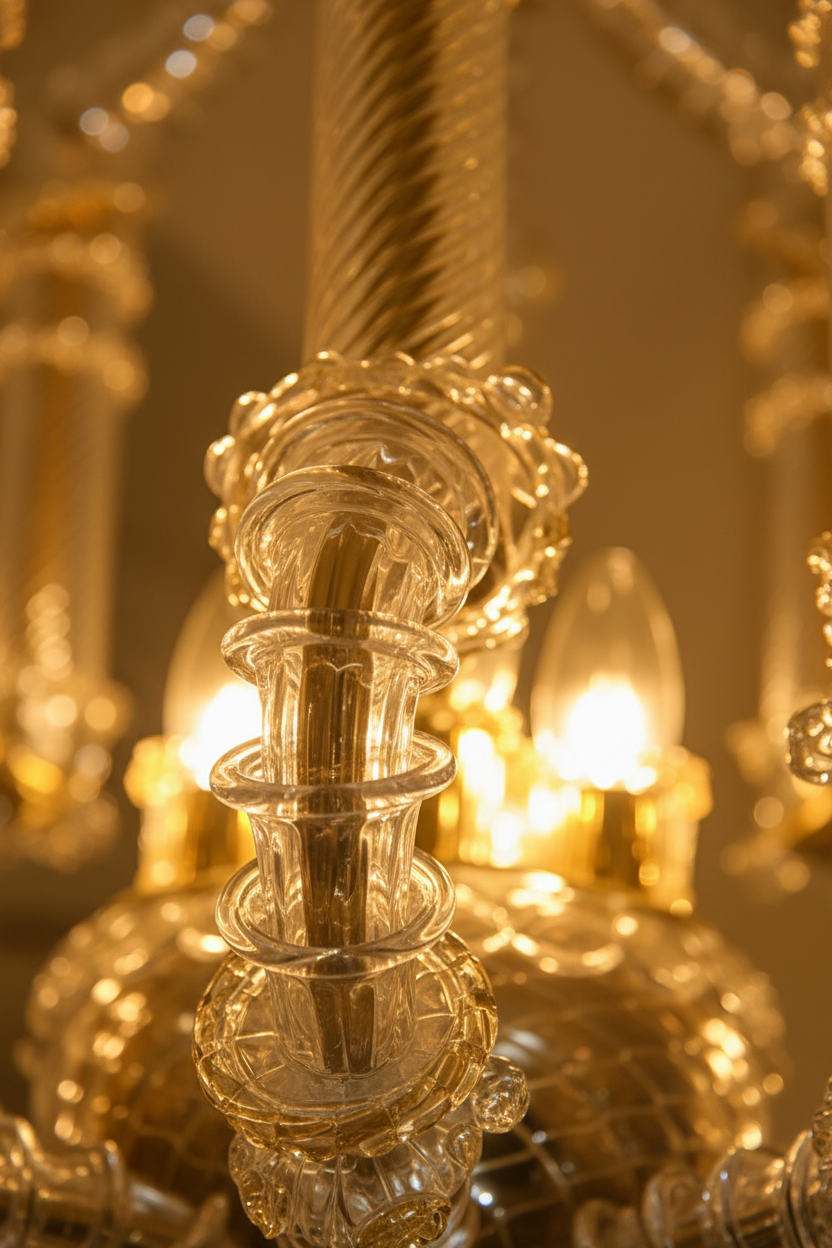
Bespoke design and custom decor: chandeliers, rugs, mirrors and wallpaper created for your project. From concept to finished piece, with Italian artisans.